
OEM Order Placement Guide for Smart Cat Litter Boxes | Step-by-Step Process
Date: 2026-01-07 Categories: Guides Hits: 346
OEM Order Placement Guide for Smart Cat Litter Boxes
A Step-by-Step Overview from Inquiry to After-Sales Support
Introduction
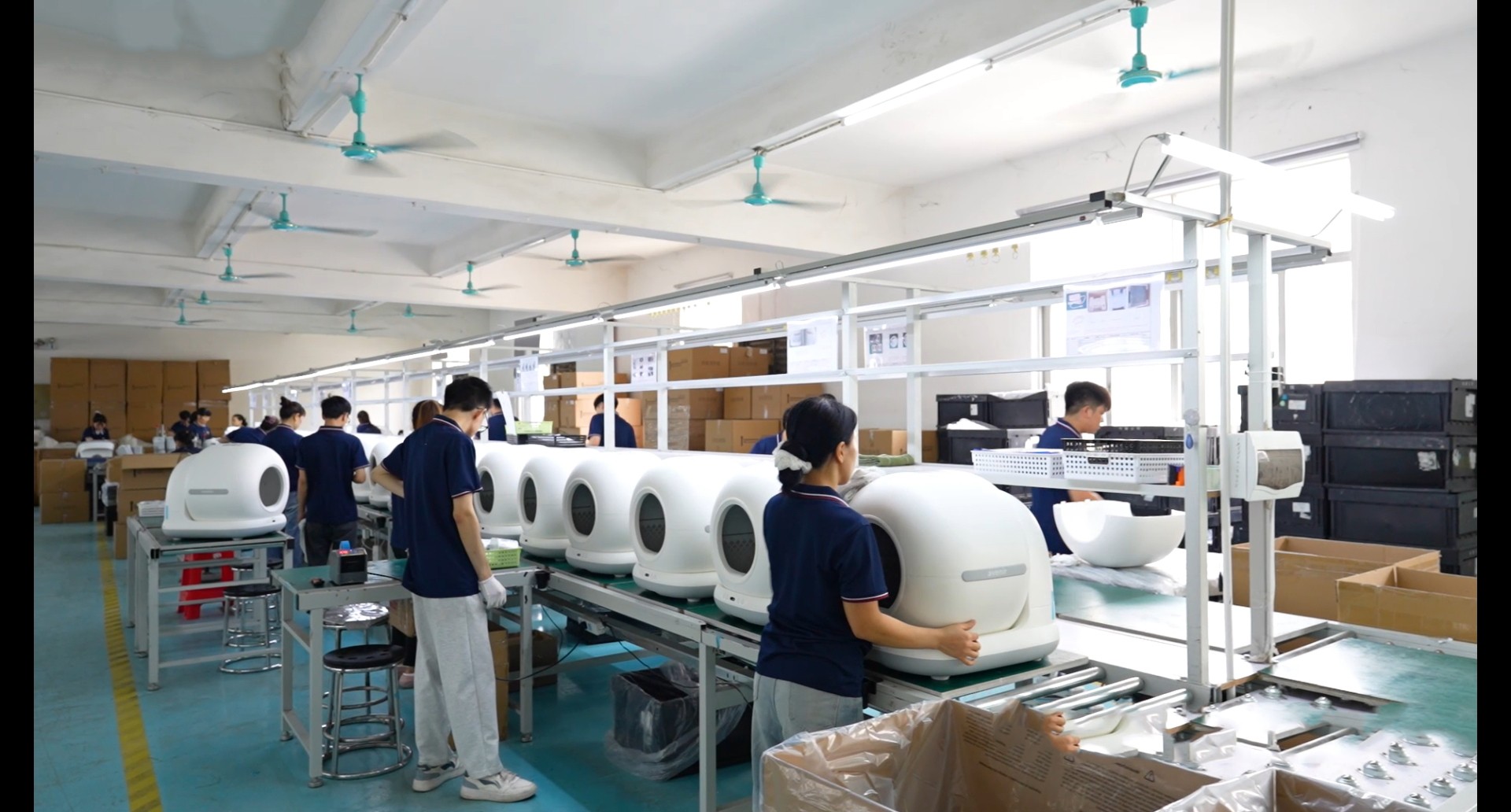 As the global demand for smart cat litter boxes continues to grow, more brands and distributors are choosing OEM manufacturing to build differentiated products and establish long-term competitiveness.
However, for many first-time OEM buyers, the ordering process can feel complex or unclear. This article provides a clear, step-by-step OEM order placement guide, helping you understand what happens at each stage—from requirement confirmation to mass production, shipment, and after-sales support.
Step 1 – Requirement Confirmation
The OEM process begins with a clear definition of requirements. At this stage, the customer and manufacturer confirm the following key details:
Product model(s)
Order quantity
Customization scope, such as:
Logo printing on the product
Color box design
Master carton design
Target price range
Expected production timeline
Clear requirement confirmation helps the factory evaluate feasibility, estimate costs accurately, and avoid misunderstandings later in the project.
Step 2 – Sample Order Placement
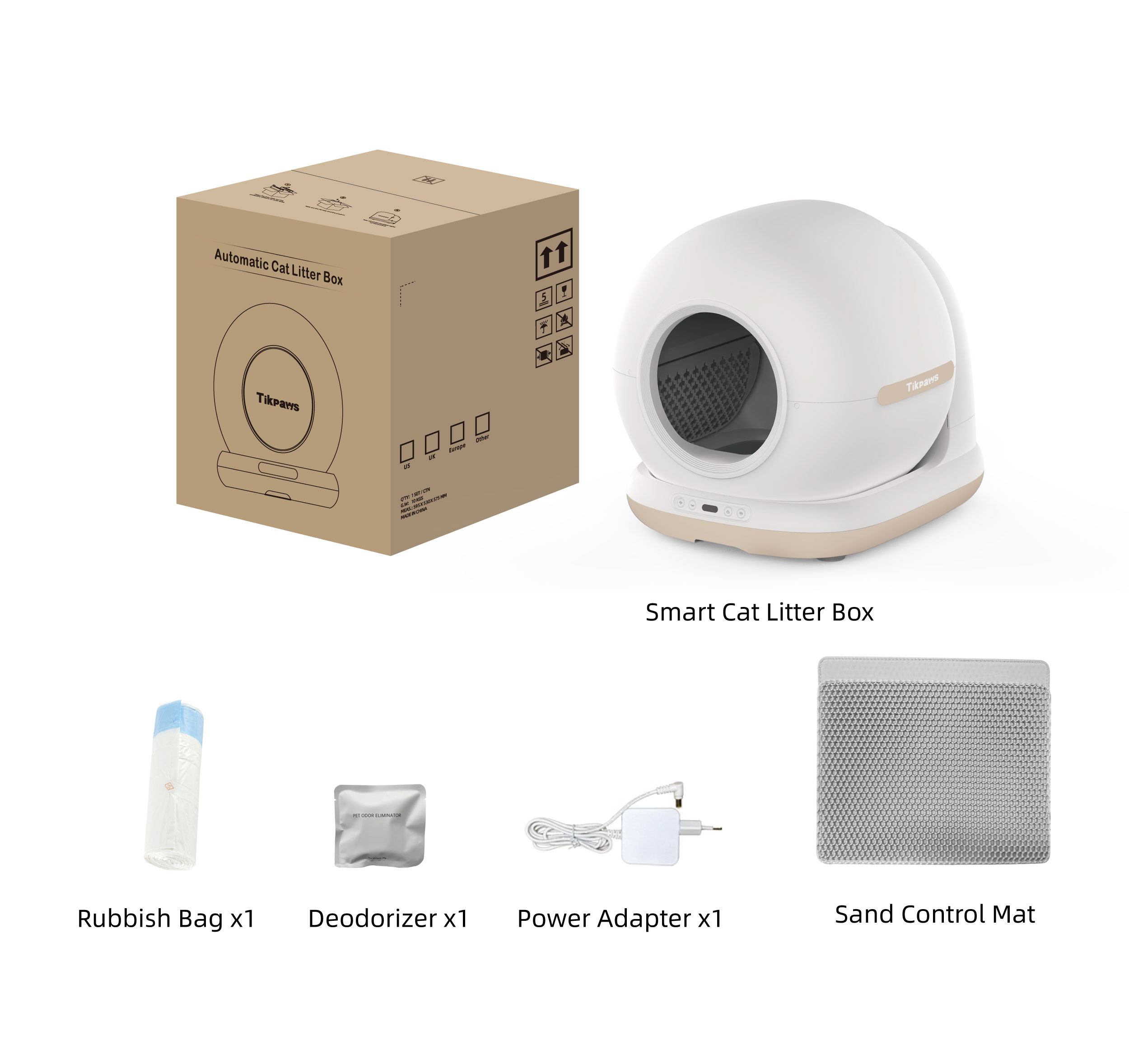
After requirements are aligned, the customer places a sample order.
For large-volume orders, full customized samples are usually required. This includes logo placement, packaging design, and any functional or structural changes.
For small-volume orders, the sample stage may be simplified. In some cases, confirmation based on neutral (non-customized) samples is sufficient.
Sampling plays a critical role in validating design, functionality, and overall product quality before mass production.
Step 3 – Sample Approval
Once the samples are ready, the customer reviews and confirms them.
This confirmation typically includes:
Appearance and finish
Functional performance
Packaging accuracy
Overall compliance with agreed specifications
Sample approval serves as the official reference standard for mass production.
Step 4 – Mass Order Placement & Payment
After sample approval, the customer places the bulk order.
Depending on the agreement, the customer pays:
A production deposit, or
Full payment upfront
Only after payment confirmation does the factory lock the production schedule and prepare materials.
Step 5 – Production, Quality Control & Packing
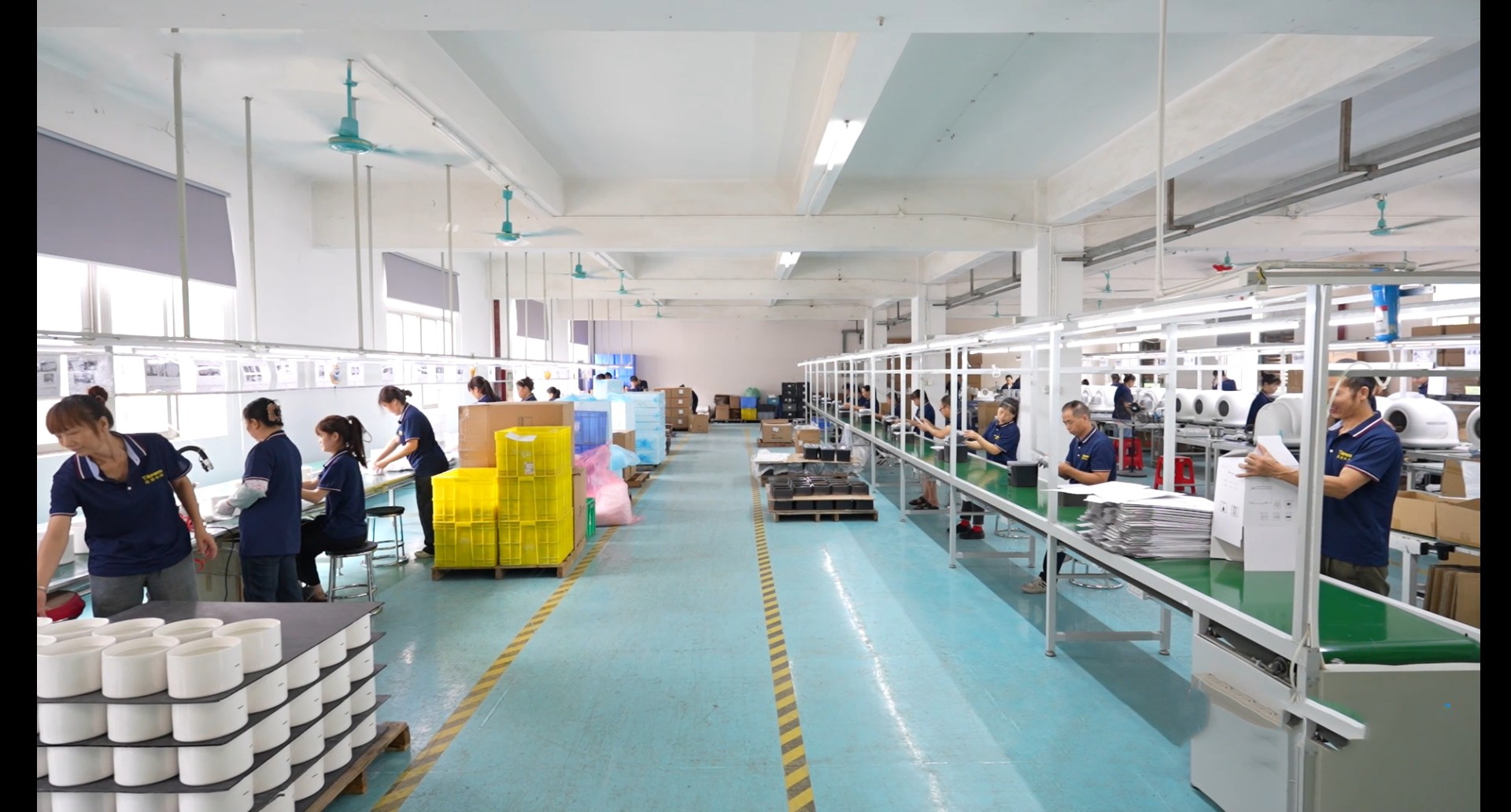
The factory proceeds with mass production according to the confirmed schedule.
During this stage:
Production is carried out based on approved samples
Quality control checks are conducted at multiple stages
Finished products are packed according to agreed packaging specifications
Once production and packing are completed, the factory notifies the customer that the goods are ready for inspection.
Step 6 – Inspection & Production Confirmation
Before shipment, the customer verifies the production status.
Two common inspection methods are used:
On-site inspection, arranged by the customer or a third-party inspection agency
Remote inspection, where the factory provides photos and videos showing production progress, packaging, and finished goods
This step ensures transparency and builds trust between both parties.
Step 7 – Goods Approval
After inspection, the customer formally confirms that the goods meet the agreed quality and specification requirements.
This approval is required before final payment and shipment arrangements can proceed.
Step 8 – Balance Payment & Shipping Arrangement
Once the goods are approved:
The customer pays the remaining balance
Shipping schedules are arranged
The factory is notified to prepare the cargo for pickup
Shipping terms may vary, such as EXW, FOB, or DDP, depending on the agreement.
Step 9 – Container Loading
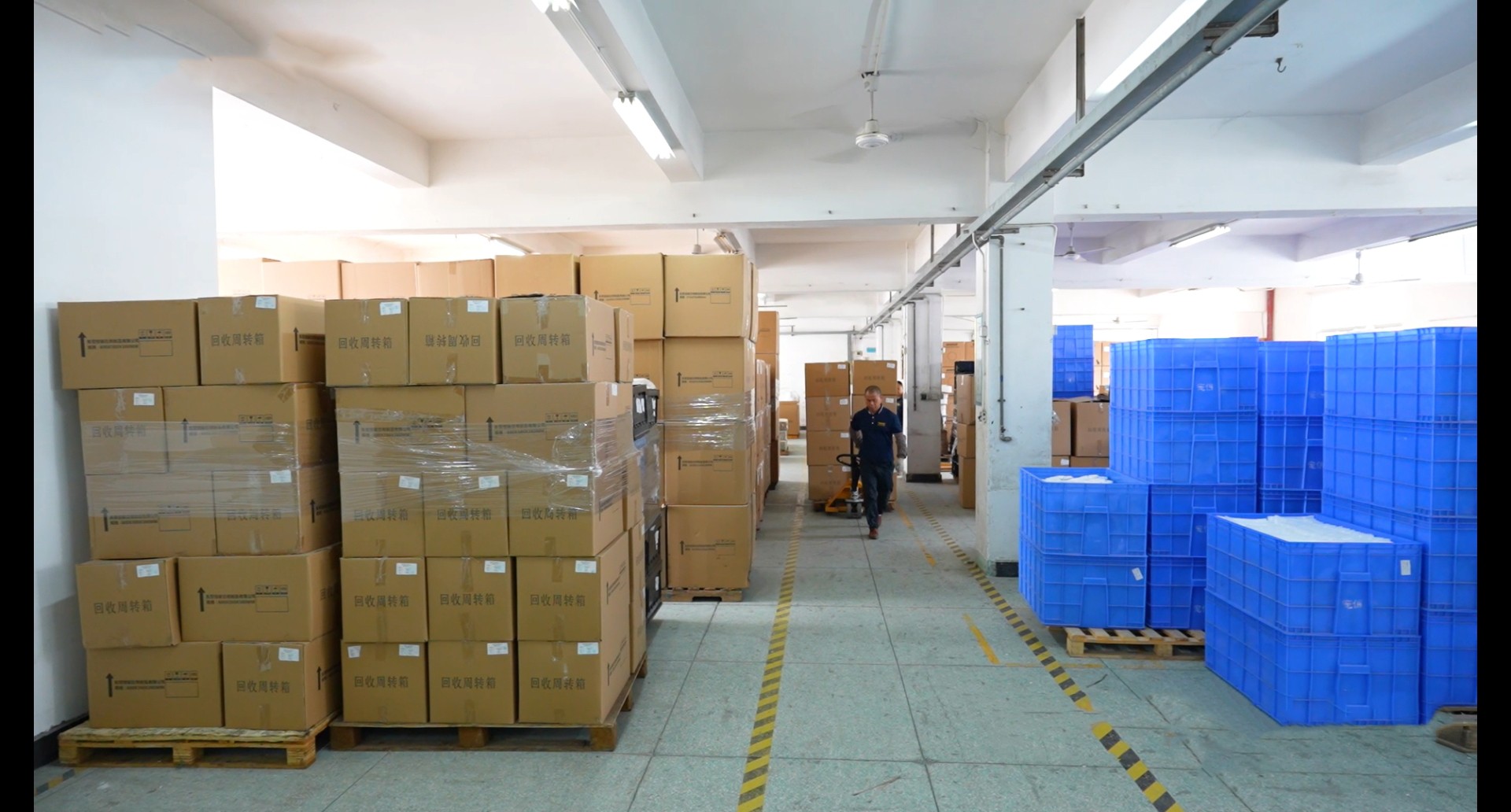
The goods are loaded into the container according to the confirmed shipping plan.
Container loading may be supervised or documented with photos or videos to ensure accuracy and proper handling.
Step 10 – Transaction Completion
After container loading and shipment, the order is considered completed.
All agreed commercial terms for this transaction have been fulfilled.
Step 11 – After-Sales Support
OEM cooperation does not end at shipment.
After-sales support may include:
Technical assistance
Spare parts supply
Usage guidance
Handling of quality feedback or claims
Reliable after-sales support is essential for long-term OEM partnerships, especially for smart products involving mechanical and electronic components.
Final Thoughts
A successful OEM project is not just about price—it depends on a clear process, transparent communication, and reliable execution.
By understanding each step of the OEM order placement workflow, brands and distributors can reduce risks, improve efficiency, and build stable, long-term cooperation with their manufacturing partners.
Frequently Asked Questions (FAQ)
Requirement confirmation: 1–3 days
Sampling and testing: 2–4 weeks
Mass production: 30–45 days
Logo printing on the product
Housing color and finish
Packaging design (color box and master carton)
User manuals and labeling
Incoming material inspection (IQC)
In-process quality control (IPQC)
Final inspection before shipment (OQC)
Deposit before production and balance before shipment
Full payment upfront for small or repeat orders